
2027 Prize Announcement: Hymns
Neylan McBaine, the daughter of Ariel Bybee and chair of the Endowment’s committtee, announces the 2027 Prize and shares about her mother Ariel Bybee’s performance program, "Songs My Mother Taught Me" that she performed with her.
Call for Submissions: Vocal Performance
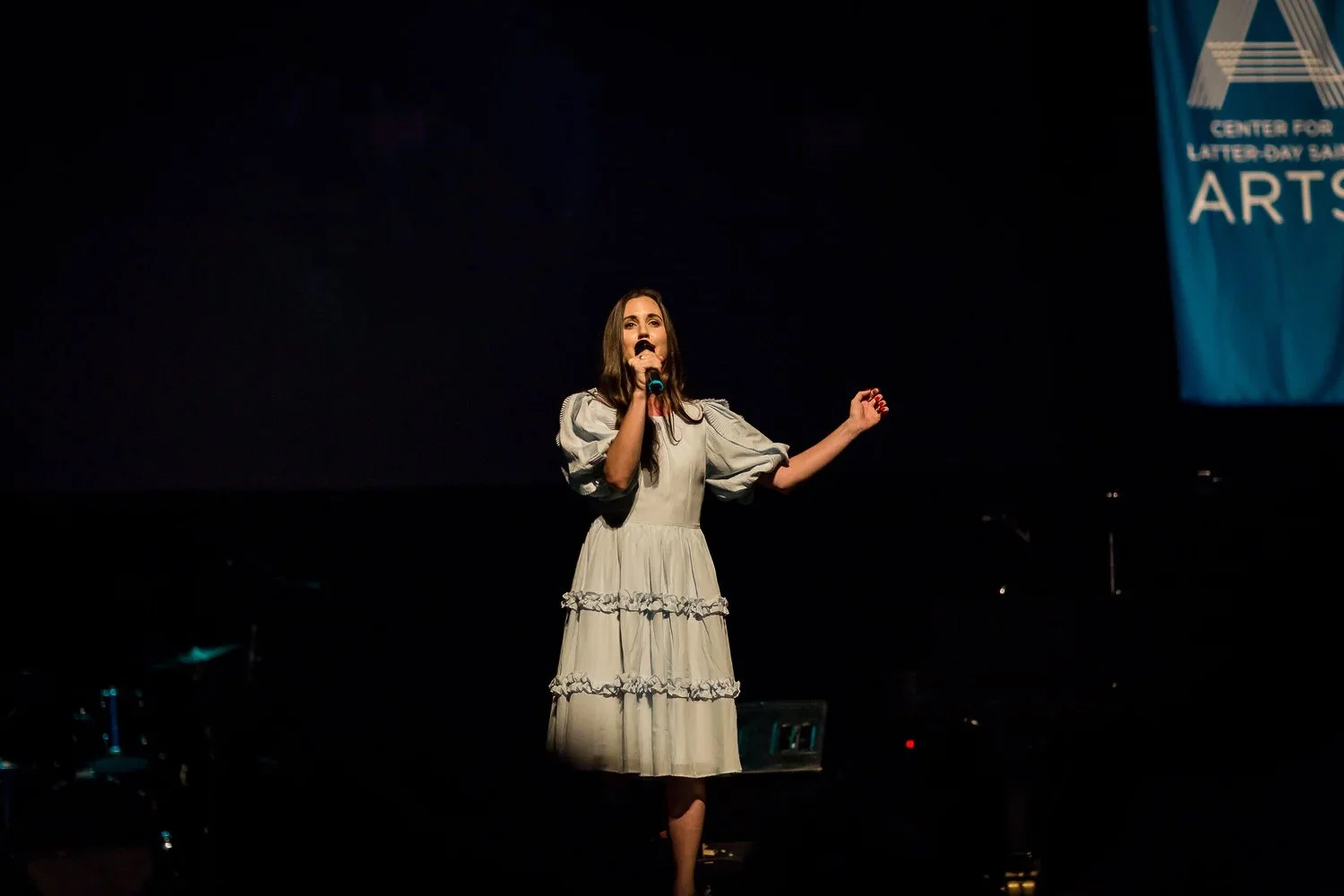
For our sixth year: Hymns. The Ariel Bybee Endowment 2027 Prize explores LDS hymns in the context of a vocalist’s recital program.
Rather than commissioning an artist to create new work inspired by hymns or hymn arrangements, we are inviting a vocal soloist to design–and the winning soloist will perform–a concert recital program for soloist and piano accompanist that draws on recital repertoire plus LDS hymns.
This pairing follows in the spirit of Ariel Bybee's own recital, “Songs My Mother Taught Me” (a nod to the Dvořák song of the same name), which presented classical works thematically alongside her favorite hymns. Ariel Bybee’s well-known recital is the inspiration for this year's category, though applicants are not required to follow its particular structure.
What is required is a clear narrative or thematic throughline: The proposed recital program should feel like an artfully considered whole rather than an assortment of otherwise unrelated works.
The Invitation
We are pleased to announce that the winning recital will be performed at the Salt Lake Art Museum, in connection with the 2027 Salt Lake Temple Open House.
Recital duration: approximately 45 minutes.
Repertoire is up to the applicant. LDS hymns must be part of the program. These may include selections from any official Church-published collection, including previous songbooks and hymnbooks, but the Endowment does not require newly-composed or arranged hymns. A mixture of hymns and other sacred repertoire is welcome with art song, opera, or other recital literature. What matters most is a clear artistic point of view and a coherent narrative or thematic throughline.
The Prize
The winning vocalist will receive a $5,000 prize.
$1,000 of that amount will be awarded upon the announcement of the prize, and the remainder at the performance of the recital, date to be determined, in 2027.
A $1,000 fee to the accompanist will be provided at the premiere. An archival video of the premiere performance will be recorded and provided to the winning vocalist.
Your Proposal
Your proposal should include the following:
The complete list of music to be performed on the program.
A narrative statement describing the goals, themes, and artistic approach to the recital program.
A statement about your artistic approach to recital programming and to hymn interpretation.
A live, audio-only recording of the applicant performing an unaccompanied (a cappella) hymn, 3-5 minutes duration. This need not be a studio or professional recording.
A list of previous public performances. Having performed a prior entire voice recital is a plus, but not required.
Applications will open November 8th, 2026 and will close January 16th, 2027.
One artist’s legacy.
Nine rotating disciplines.
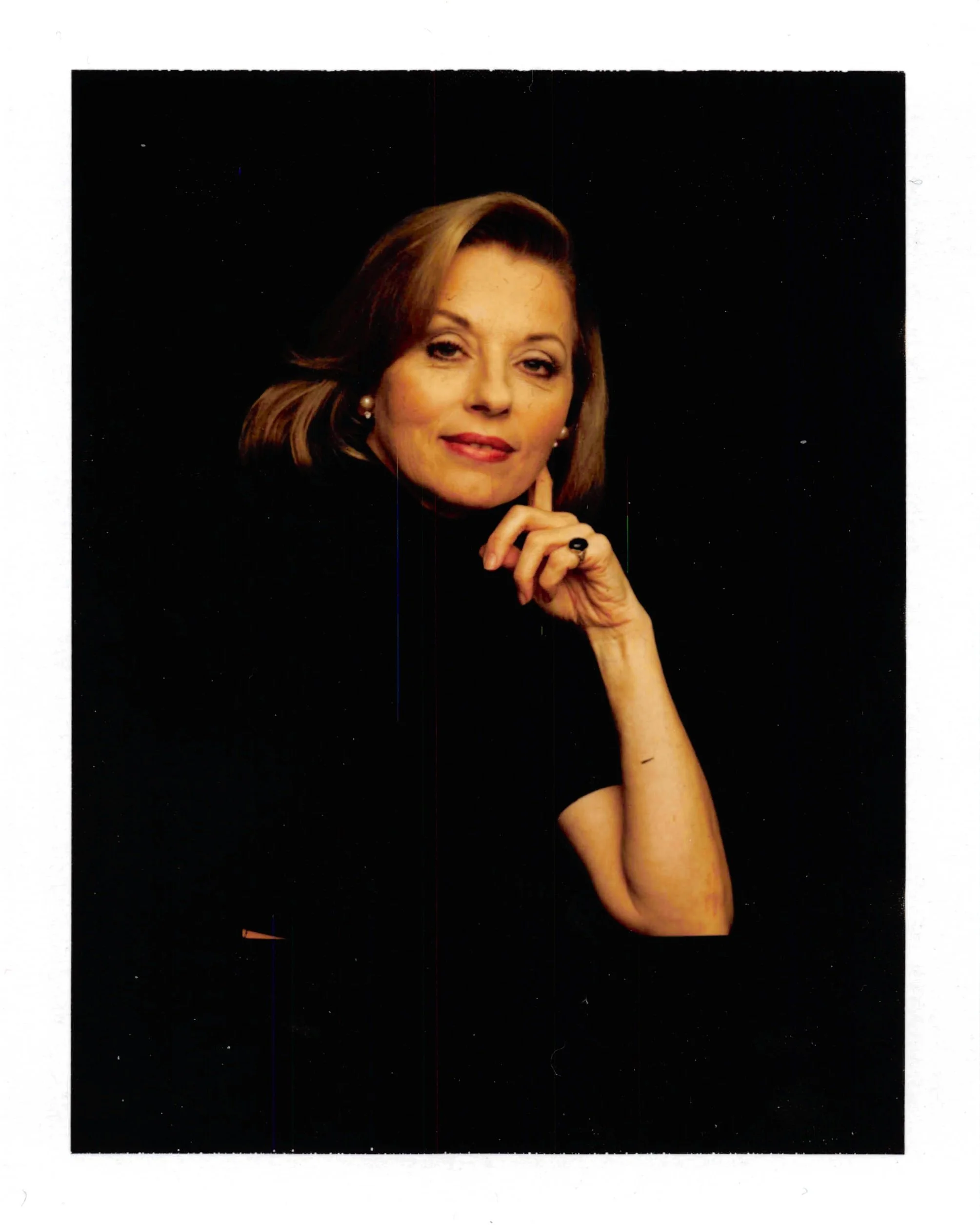
The Ariel Bybee Endowment at the Center for Latter-day Saint Arts was established in 2021 to honor the legacy of distinguished mezzo-soprano Ariel Bybee (American, 1943-2018). Each year, the Endowment grants a prize/commission for the creation of new art or original scholarship by Latter-day Saints as a result of a call for submissions.
The disciplines represented by the Endowment correspond to her career highlights and passions in one of these nine, rotating categories: opera, dance, scholarship, art songs, youth education, hymns, visual arts, collaborative arts, and choral music.

About
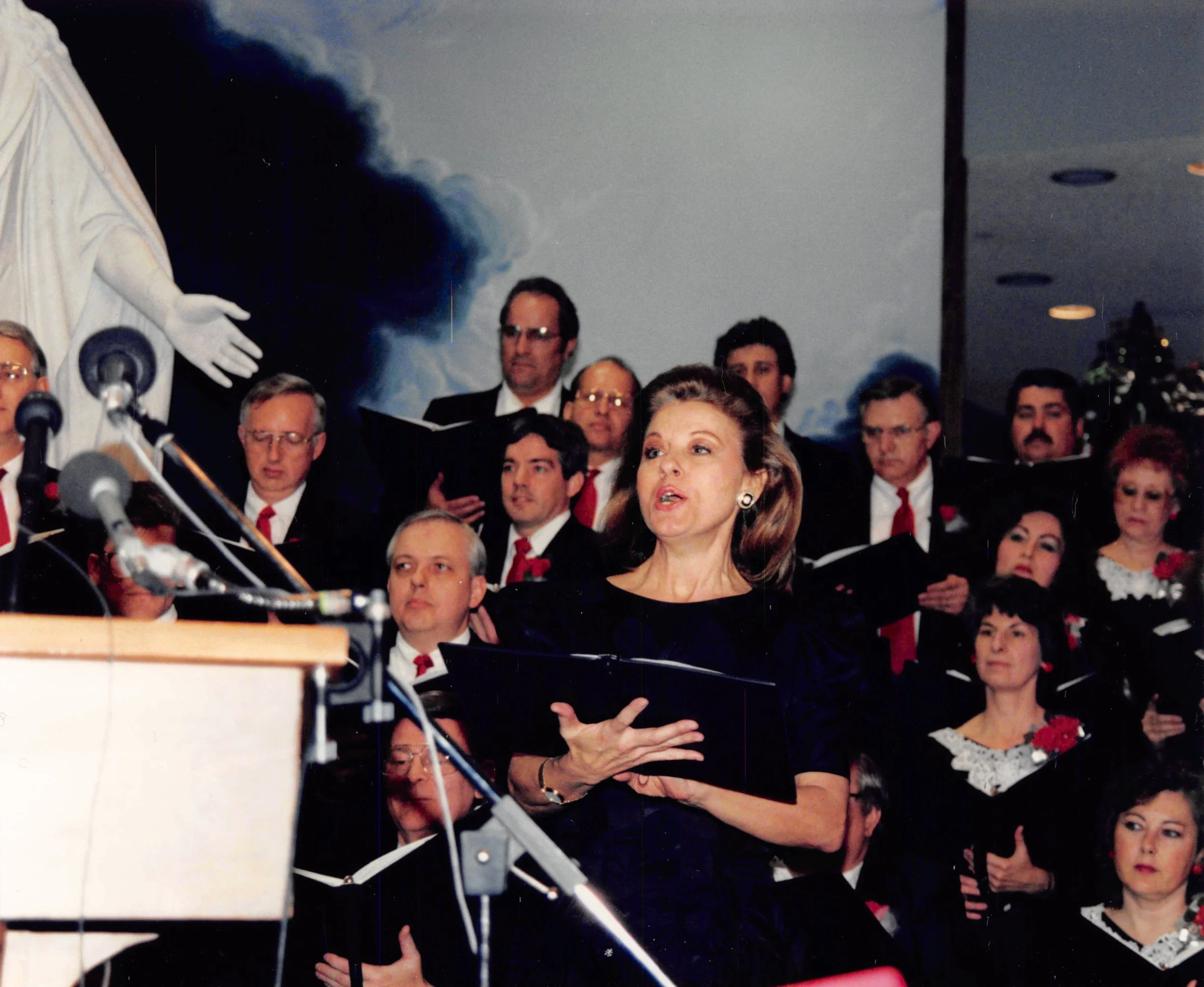
Ariel Bybee (American, 1943–2018) was a mezzo-soprano who had a distinguished career as a soloist, voice teacher, and university opera director. Most notably, Ariel sang 461 performances as a soloist at the Metropolitan Opera over the course of 18 consecutive seasons.
-
Bybee received a bachelor's degree from Brigham Young University in 1965. She later took advanced musical studies in New York, where one of her voice teachers was Cornelius L. Reid. Bybee was an alumna of the Music Academy of the West, where she attended in 1969.
Bybee sang at the Met in every season from 1977–95. She first earned accolades at the Met for her performance as Jenny in Rise and Fall of the City of Mahagonny when she replaced Teresa Stratas on very short notice. Further acclaim came from her performances as Annio in the Met's premiere of Mozart's La clemenza di Tito.
Bybee sang numerous leading roles at the Met, including Hansel in Hänsel und Gretel, Niclausse in Les contes d'Hoffmann, and Suzuki in Madama Butterfly. She made her highly successful debut at the Washington, D.C. Opera in a new production of Menotti's The Consul, and her European opera debut as Melisande at the Sofia Music Weeks in Bulgaria. She made her debut with the Vienna Philharmonic (Lorin Maazel, conducting) in a concert performance of Elektra at Carnegie Hall.
Bybee's professional talents were discovered by Maestro Maurice Abravanel of the Utah Symphony and later by Kurt Herbert Adler of the San Francisco Opera. Adler invited Bybee to sing in San Francisco for several seasons, during which she appeared in many roles, including the title roles in Carmen, Musetta in La bohème, and Inez in La favorita.
She first performed on the East Coast when she sang the title role of Monteverdi's Coronation of Poppea at the Tanglewood Music Festival. In the spring of 1985, Bybee appeared on stage with the New York City Ballet in its production of Songs of the Auvergne, and she debuted at the Ravinia Festival in Elektra, conducted by James Levine. She made her debut in Kuhmo, Finland, in Pergolesi's Stabat Mater and Vivaldi's Gloria.
Before making her debut with the San Francisco Opera Company, Bybee taught junior high school music for five years, first in Utah and then in California. Starting in 1993, Bybee began teaching private students in her New York studio, as well as teaching at both the Lee Strasberg Institute and the American Musical and Dramatic Academy in New York City. For ten years, she was Artist-in-Residence and Associate Professor of Voice at the University of Nebraska, Lincoln, teaching voice and directing operatic productions. In 2007, she and James E. Ford co-directed UNL's production of Frank Loesser's The Most Happy Fella, which won the International Trophy (Grand Prize) in competition at the Waterford International Festival of Light Opera. When she became an emerita professor at UNL, the university endowed the Ariel Bybee Chair of Opera Performance in her honor. In 2008, Bybee moved to the Salt Lake City area, where she taught voice at the University of Utah.