
Come, Follow Me (Art Companion)
What is an Art Companion?
It’s a visual resource that aids members with their weekly gospel studies. Our weekly toolkit uses fine art and objects created by members of the Church to assist all ages with their gospel learning. As a supplement of the Come, Follow Me curriculum, the Art Companion can be used in solo and family scripture study or youth classes, Primaries and Sunday Schools.
Each week is equipped with a piece of art and questions to spark your spiritually uplifting discussions. The Center for Latter-day Saint Arts has been creating this study aid since 2019.
Join us as we dive into The Old Testament for 2026.

The Lord gives powerful promises of restoration, including a “new covenant” where His law will be written on people’s hearts and their relationship with Him will be renewed. These chapters assure that despite coming judgment, God has not abandoned His people and will rebuild and restore them. Later the prophet Jeremiah dictates God’s message, but King Jehoiakim burns it, rejecting the warning.
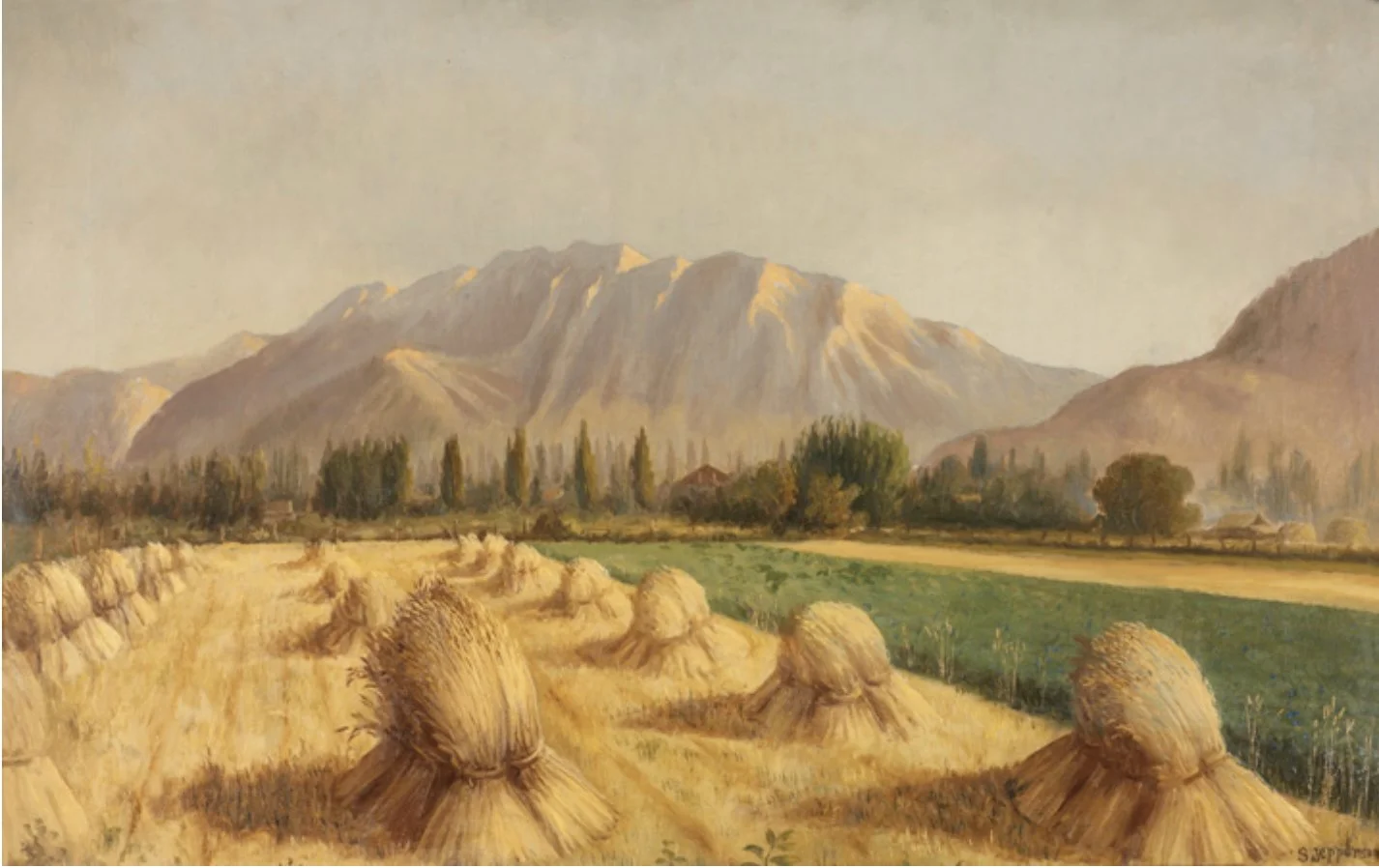
The book begins with the calling of Jeremiah, whom God appoints as a prophet to speak His words despite Jeremiah’s initial fear and youth. Jeremiah accuses Judah of turning away from God and compares the unfaithfulness to broken relationships, and calls for repentance. Chapter 7 records Jeremiah’s temple sermon, warning that religious rituals aren't enough to build and grow faith.

In these final chapters, the prophet Isaiah calls out empty religious practices and teaches that worship involves justice, compassion, and caring for those in need. God promises that when people live righteously, their lives will be restored and become a source of light and blessing to others. The future glory of Jerusalem is described.
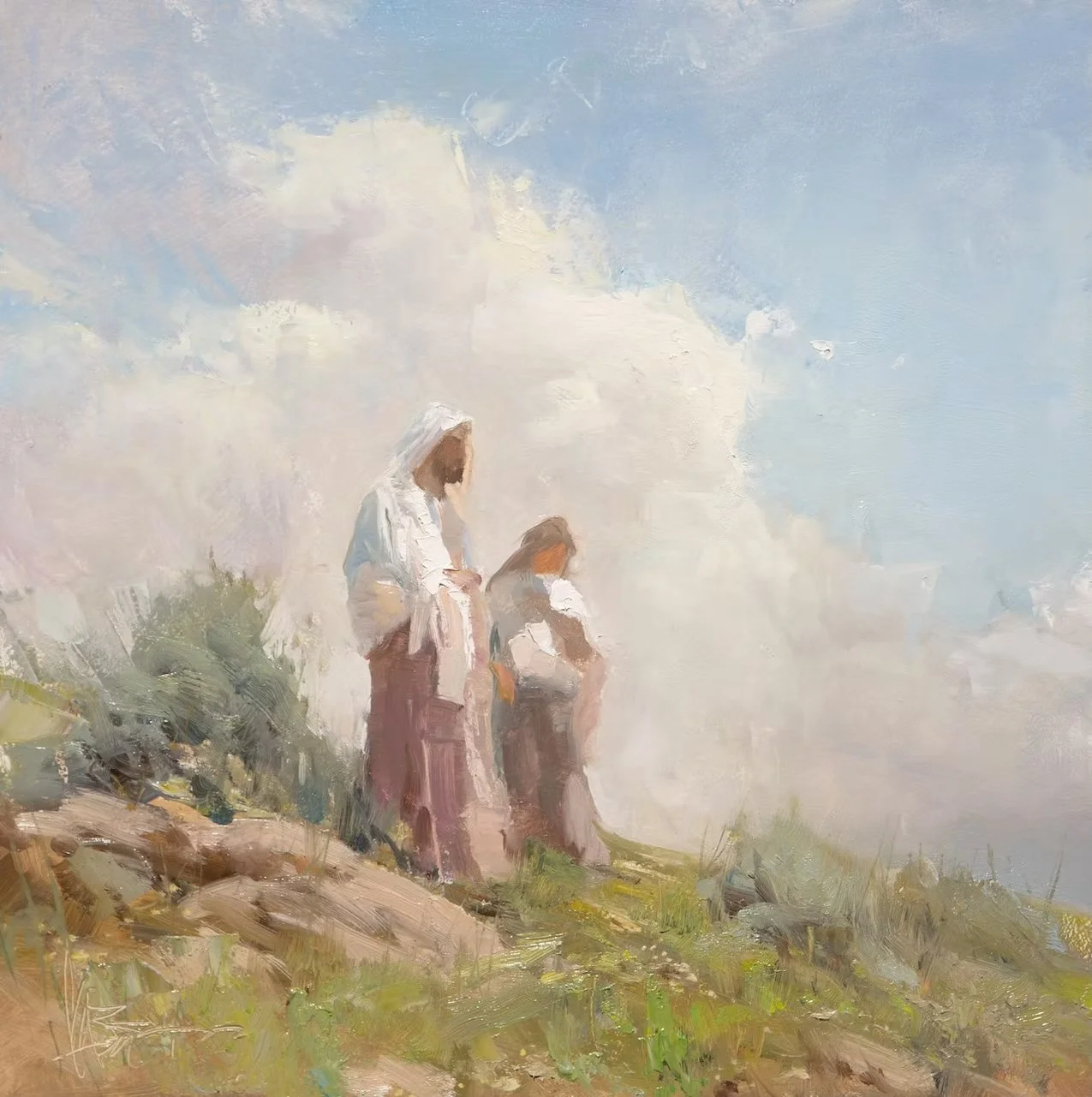
In these chapters, the prophet Isaiah describes the obedience and suffering of God’s “Servant,” who remains faithful despite rejection and hardship. Chapter 52 celebrates the coming of good news and deliverance. Later we are presented with a powerful portrait of the suffering servant who bears the sins and pain of others. Chapter 54 speaks of restoration and renewed covenant love, promising that God’s faithfulness will endure.
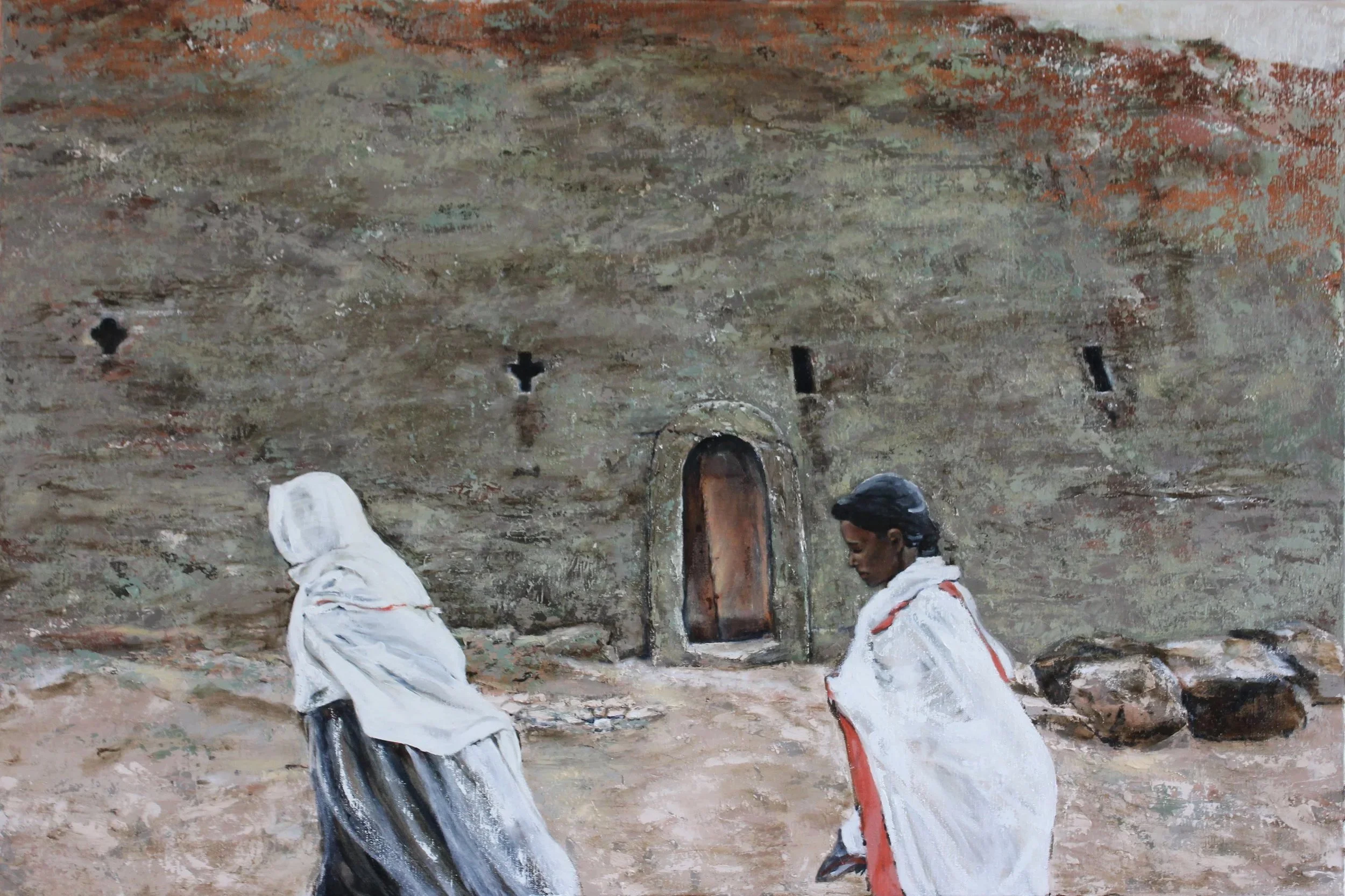
These chapters offer a message of comfort and hope, assuring God’s people that their time of hardship will end. Through the prophet Isaiah, God declares His greatness as Creator, emphasizing His power over all nations and His care for individuals. The people are reminded that idols are powerless compared to the one true God. He alone guides and delivers His people.
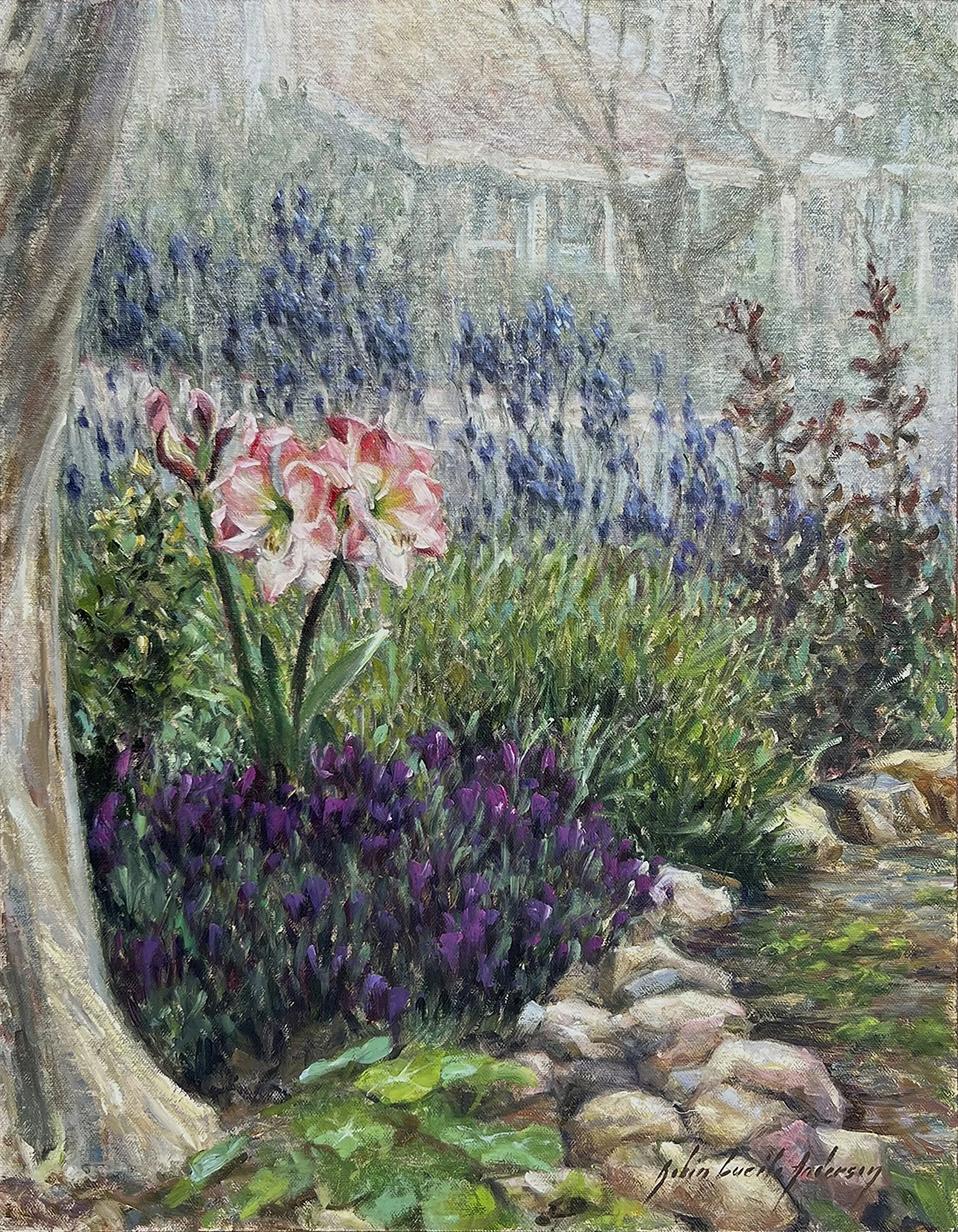
The prophet Isaiah announces God’s judgment against Babylon, describing the fall of a proud empire and warning that arrogance and oppression will not last forever. Chapter 22 focuses on Jerusalem, criticizing the people for celebrating and trusting their own defenses instead of turning to God during times of crisis.
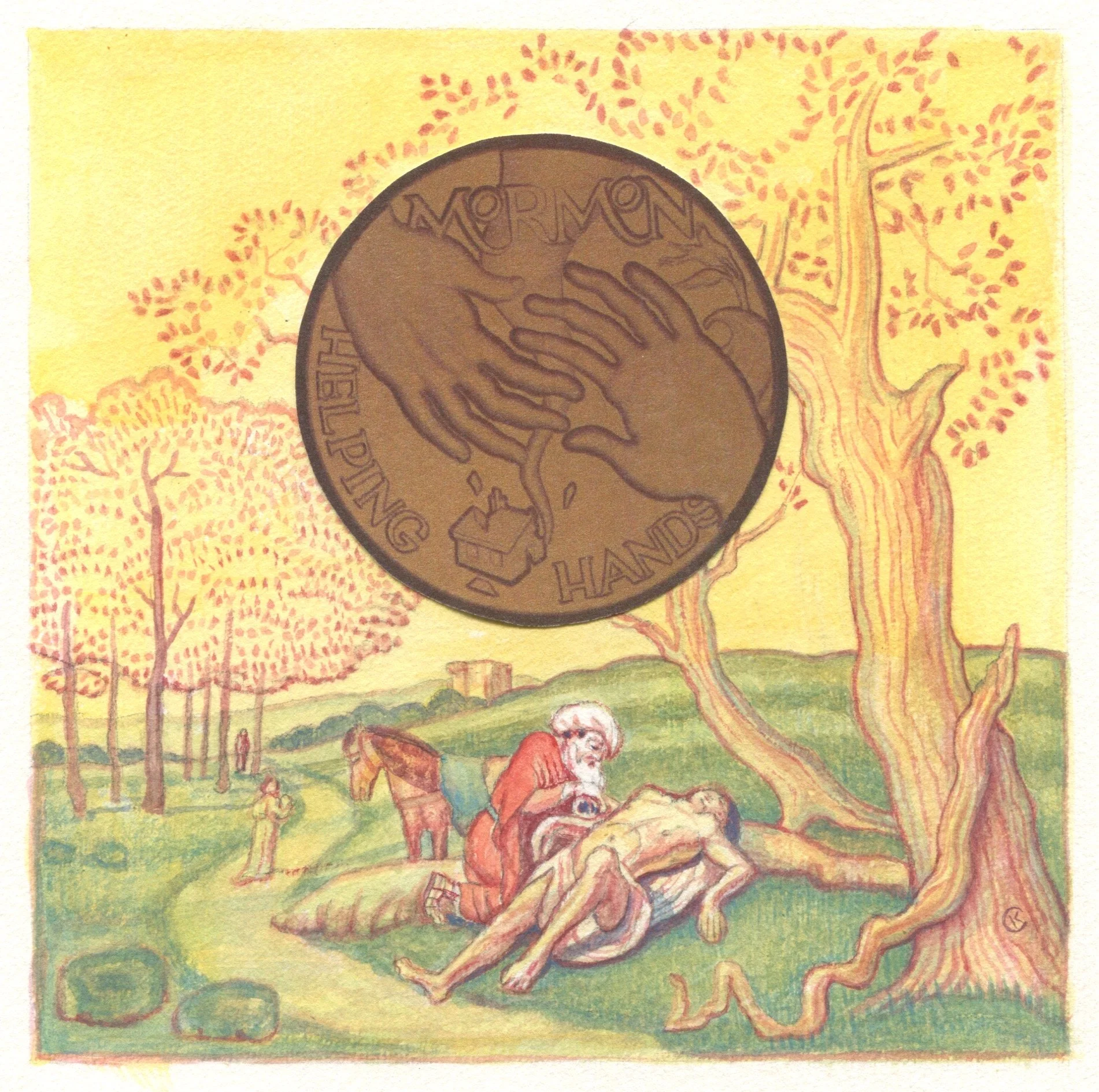
The opening chapters of Isaiah begin with strong warnings to the people of Judah about their corruption, injustice, and empty religious practices. Through the prophet Isaiah, God calls the people to repentance and promises that forgiveness and restoration are possible if they turn back to Him. Isaiah has a powerful vision of God in the temple, where he is called to be a prophet after recognizing his own unworthiness.
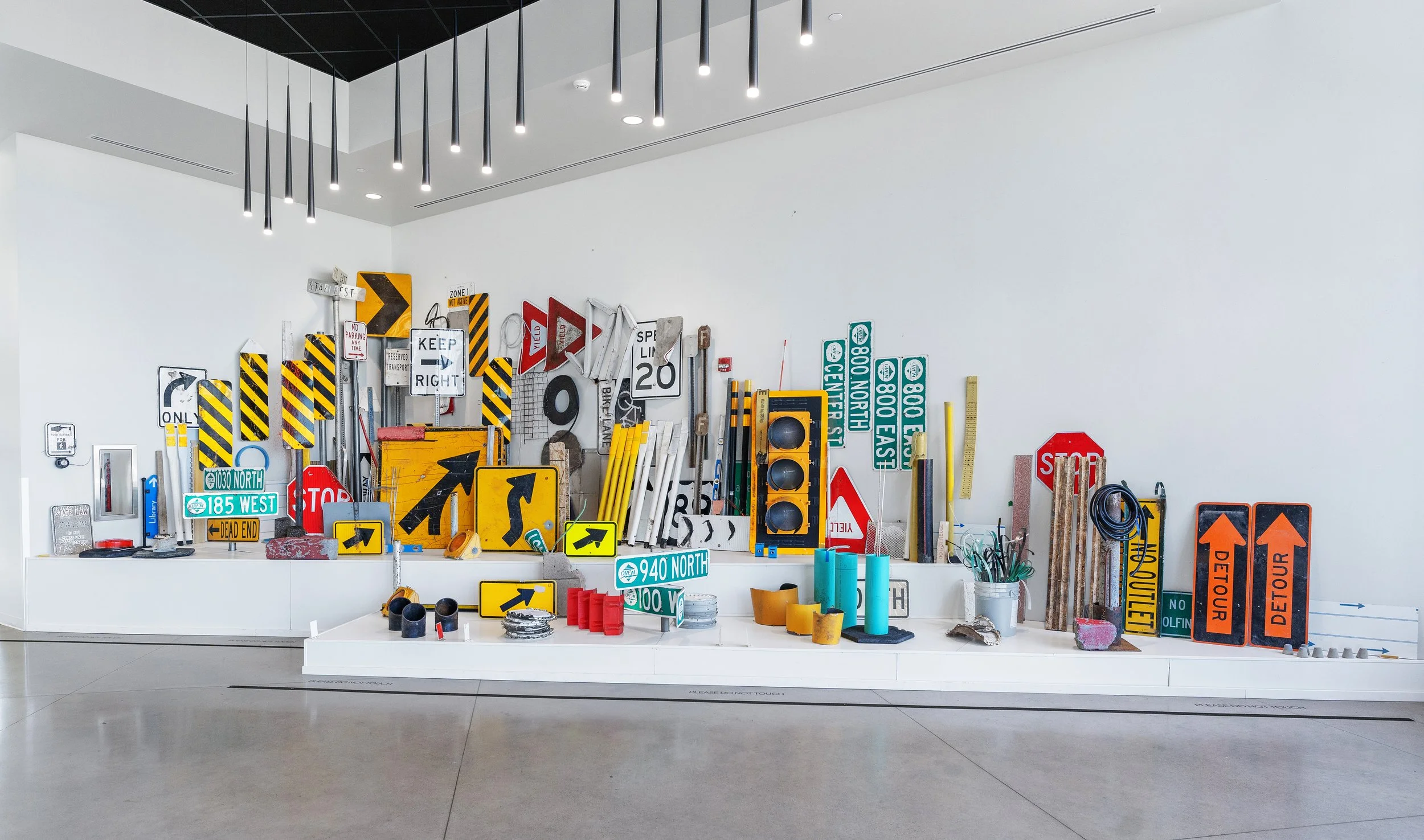
Proverbs 1–4 introduce wisdom as a priceless treasure and encourages us to seek instruction, avoid destructive paths, and pursue understanding. These chapters often portray wisdom as a guide that protects and leads to a good life. Proverbs 15–16 and 22 present practical sayings about speech, humility, integrity, generosity, discipline, and wise decision-making.
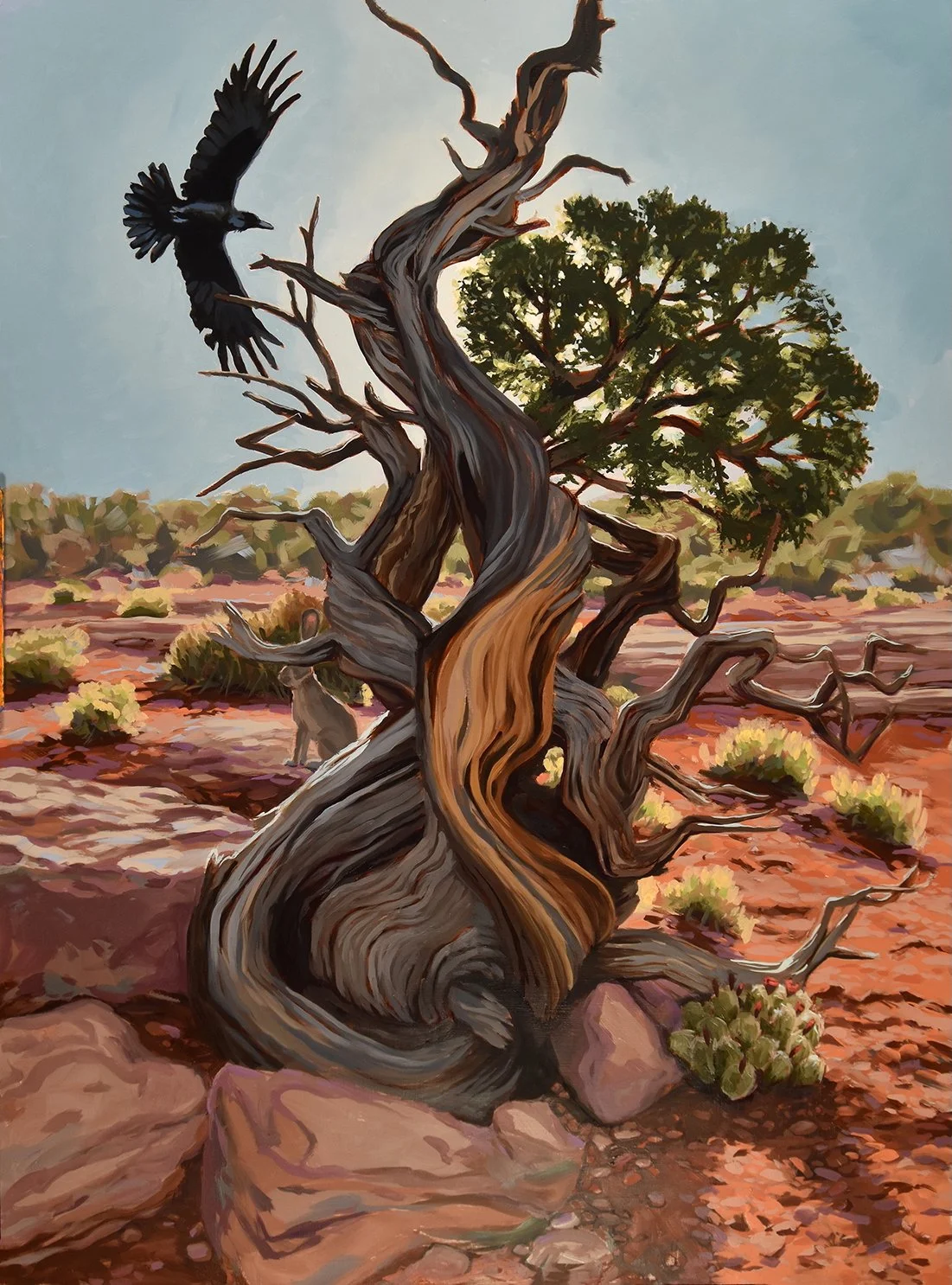
Psalm 102 expresses a heartfelt cry from someone overwhelmed by suffering, asking God for help and remembering that God is eternal and faithful. Psalm 103 celebrates God’s compassion, forgiveness, and mercy, encouraging people to praise Him for His kindness and care. Psalm 110 describes a powerful and righteous ruler appointed by God.

These psalms in this week's study include reflections on wisdom, repentance, worship, and God’s faithfulness throughout history. Warning that wealth cannot ultimately save people from death, and emphasizing sincere obedience and gratitude rather than empty religious rituals. Psalm 51 is a deeply personal prayer of repentance traditionally associated with David, asking God for forgiveness and a renewed heart.

The book of Psalms begins by contrasting the lives of the righteous and the wicked. Describing the righteous person as one who delights in God’s law and flourishes like a tree planted near water. Psalm 2 speaks of nations rebelling against God but ultimately being subject to His authority and the rule of His anointed king.

Job, a righteous man, abruptly loses his wealth, his children, and his health in a test of his faithfulness. Despite intense suffering, Job initially refuses to curse God, though he laments deeply and questions why he was born. His friends come to comfort him but argue that suffering must be the result of personal sin, while Job insists on his innocence and wrestles with difficult questions about justice and suffering.

This week's lesson contains the extraordinary story of a Jewish woman named Esther. She becomes queen, guided by her cousin and guardian Mordecai. When the royal official Haman becomes angry that Mordecai refuses to bow to him, he persuades the king to issue a decree ordering the destruction of all Jewish people in the empire. Esther risks her life by approaching the king without being summoned in order to plead for her people.
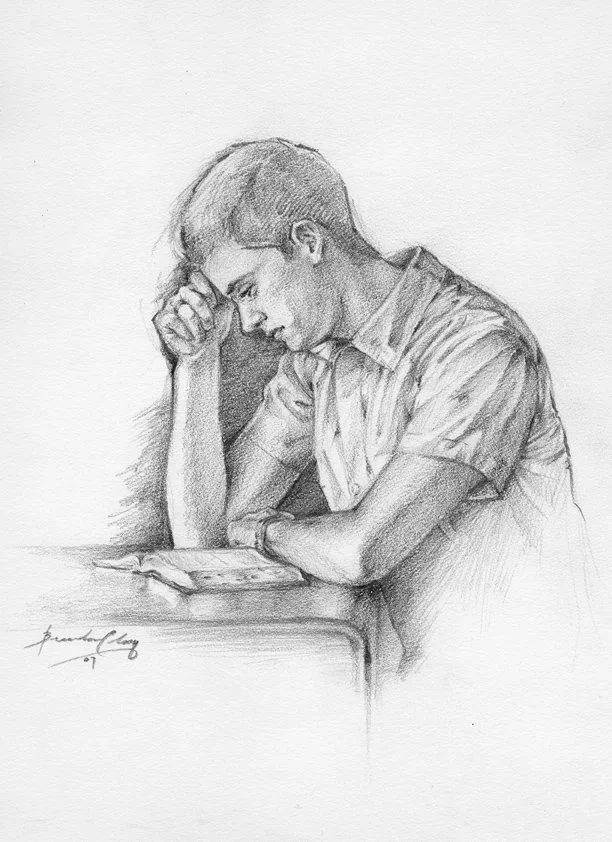
The Persian king, Cyrus the Great, issues a decree allowing the Jewish exiles to return to Jerusalem and rebuild the temple of God. The returning people rebuild the altar and lay the foundation of the temple. Although the project faces opposition from surrounding groups. Ezra, a teacher of God’s Law, travels to Jerusalem with authority from the Persian king to help restore proper worship and obedience to God’s commands.
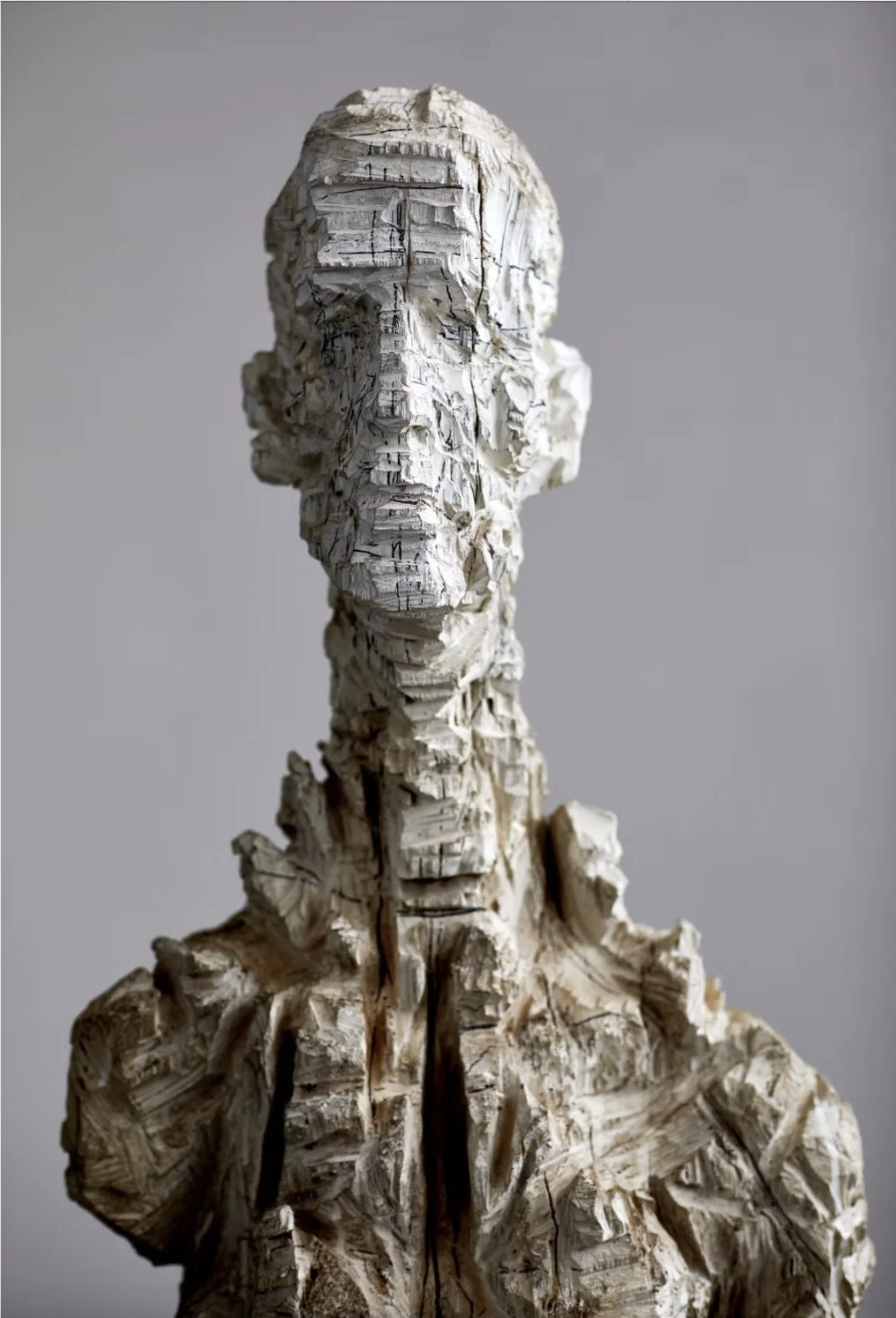
The chapters in this week's study describe several kings of Judah and their spiritual leadership, highlighting both faithfulness and failure. Asa seeks God and leads Judah in reform, and God gives him victory over a vast Ethiopian army. Later, Jehoshaphat encourages the nation to trust God, and when a large coalition attacks Judah, the people pray and God miraculously defeats the enemy.

Both the northern kingdom of Israel and the southern kingdom of Judah decline and fall. King Ahaz of Judah adopts pagan practices and seeks help from Assyria instead of trusting God. Israel is conquered by the Assyrians and its people are exiled because of persistent idolatry. Later, King Hezekiah brings spiritual reform and trusts God during the Assyrian threat, but his son Manasseh reverses these reforms with wickedness, deepening Judah’s guilt.
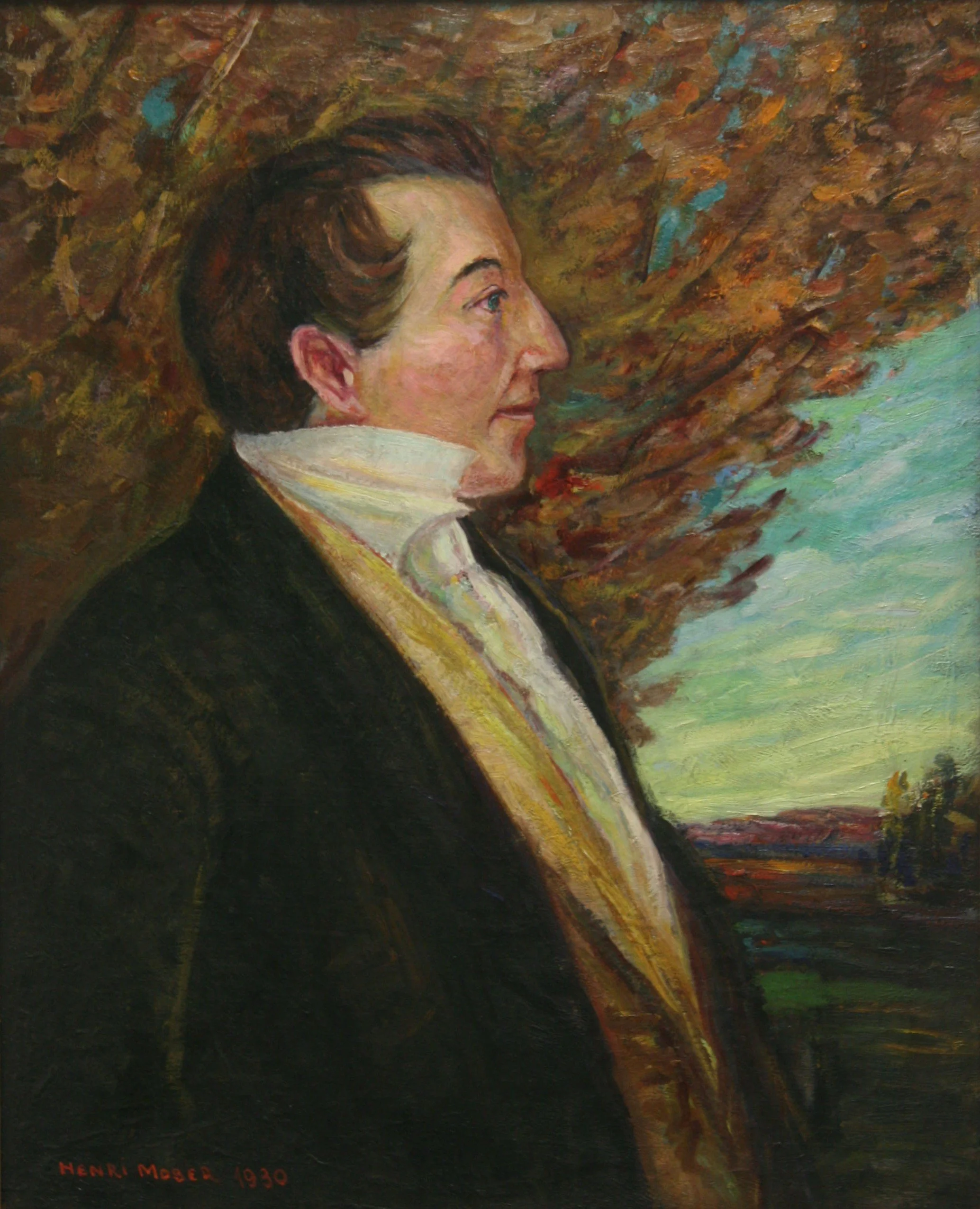
The prophet Elijah is taken up to heaven in a whirlwind, and his mantle falls to Elisha, confirming him as Elijah’s successor through miraculous signs like parting the Jordan River. Elisha performs several miracles, including purifying poisoned water, multiplying a widow’s oil to pay her debts, and raising a Shunammite woman’s son from the dead. Naaman is healed of leprosy after humbling himself to wash in the Jordan River, while Elisha’s servant Gehazi is struck with leprosy for his greed. Elisha also causes an iron axe head to float and repeatedly warns the king of Israel about enemy movements, demonstrating God’s power over both nature and nations.

The House of Israel is in disarray. The kingdom of Israel divides after Solomon’s death when Rehoboam’s harsh policies cause the northern tribes to follow Jeroboam. Jeroboam establishes alternative worship centers with golden calves to prevent his people from going to Jerusalem, leading Israel into idolatry. The prophet Elijah confronts King Ahab and Queen Jezebel during a time of severe drought, performs miracles for a widow, and challenges the prophets of Baal on Mount Carmel, where God demonstrates His power.

King David falls into sin with Bathsheba and arranges the death of her husband Uriah to cover it up. The prophet Nathan confronts David with a parable, leading David to repent, though serious consequences follow within his family. Solomon becomes king and asks God for wisdom rather than wealth or power. God grants him great wisdom, demonstrated through his judgment concerning a custody matter of two women and a child. Solomon builds the temple in Jerusalem and dedicates it to the Lord, and God promises continued blessing if Israel remains faithful.
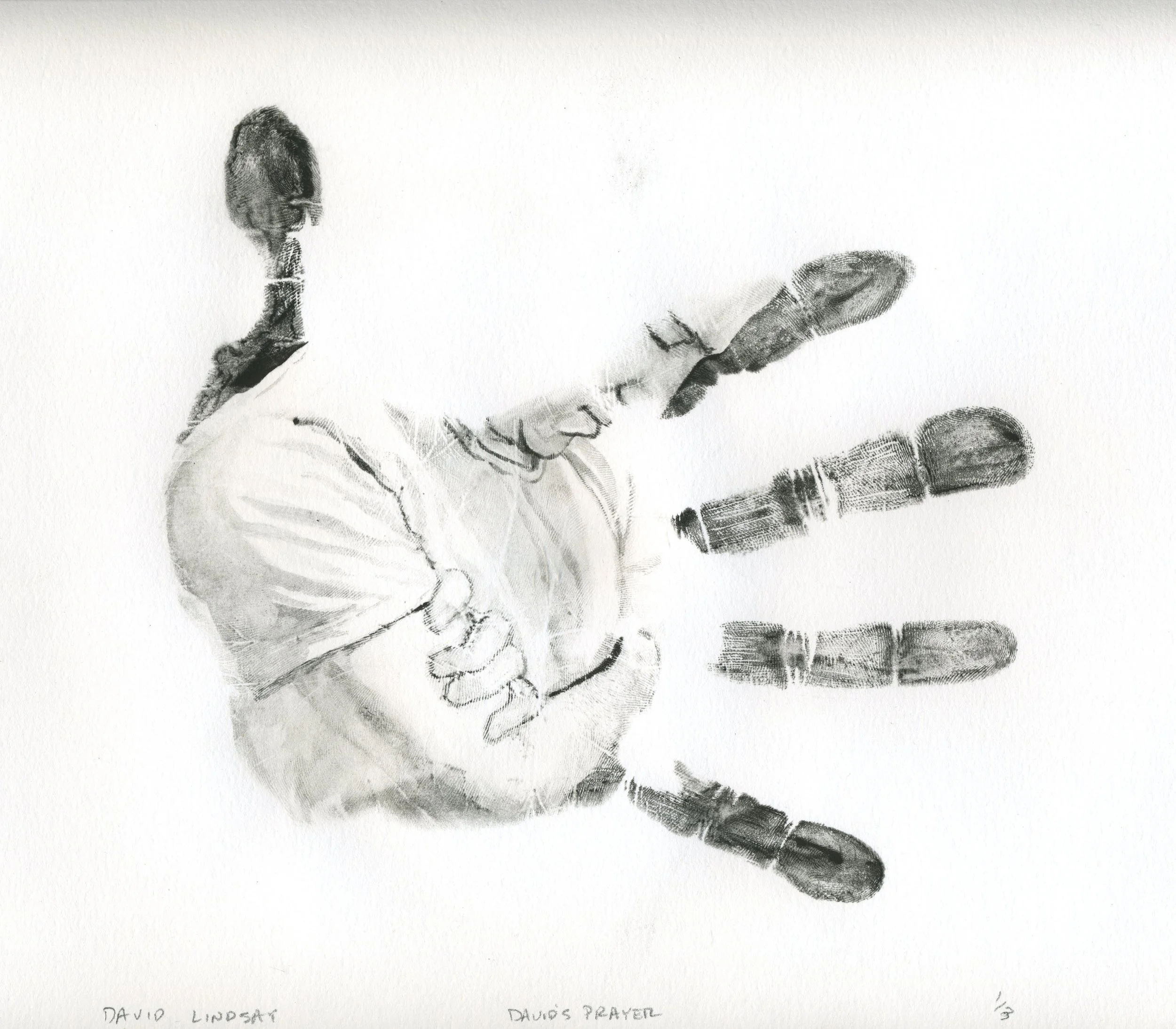
David defeats the Philistine giant Goliath with a sling and a stone, gaining fame throughout Israel and forming a close friendship with Jonathan, Saul’s son. Saul becomes jealous of David’s success and begins to see him as a threat, leading to growing tension and attempts on David’s life. Although David has multiple opportunities to kill Saul, he refuses, choosing instead to spare Saul because he is the Lord’s anointed king.

To obey is better than to sacrifice. The Israelites demand a king so they can be as the other nations, and though Samuel warns them of the consequences, God tells him to grant their request. Saul is chosen and anointed as Israel’s first king. Saul is initially a humble leader, but he disobeys God by offering a sacrifice himself instead of waiting for Samuel.
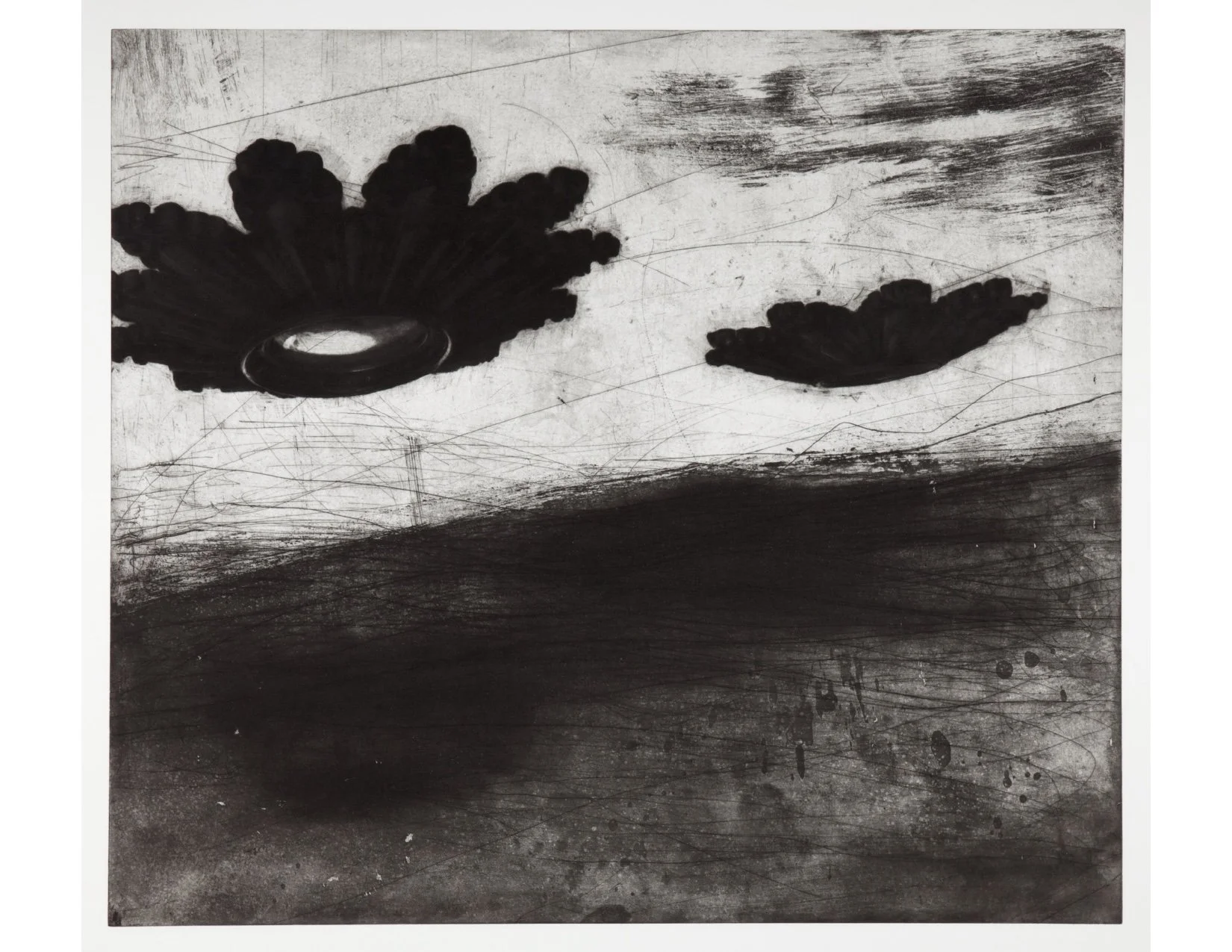
A famine drives Elimelech, Naomi, and their two sons from Bethlehem to Moab, where the sons marry Moabite women, Orpah and Ruth. After Elimelech and the sons die, Naomi is left widowed with her daughters-in-law and decides to return to Bethlehem upon hearing that the famine has ended. Orpah tearfully returns to her people, but Ruth pledges unwavering loyalty to Naomi, declaring that Naomi’s people and God will be her own. In the Book of Samuel, Hannah prays fervently for a son and promises to dedicate him to the Lord; God grants her request, and Samuel is born and later serves under Eli the priest.

Israel falls into a repeated cycle of disobedience, oppression, crying out to God, and deliverance. Deborah and Barak lead Israel to victory over Canaanite oppression, and Jael defeats Sisera, bringing peace to the land. Gideon is called to deliver Israel from Midian, struggles with doubt, but ultimately leads a dramatically reduced army to victory through God’s power. However, Gideon later makes choices that contribute to Israel’s spiritual decline.

The Lord commissions Joshua to lead Israel after Moses’ death and commands him to be strong and courageous as the people prepare to enter the Promised Land. Israel crosses the Jordan River miraculously. The walls of Jericho fall after the people obey God’s unusual instructions. Joshua builds an altar, reads the Law publicly, and calls the nation to reaffirm obedience. In chapters 23–24, near the end of his life, Joshua gathers the people, recounts God’s faithfulness, urges them to reject idols, and challenges them to choose whom they will serve.

Moses urges Israel to love the Lord wholeheartedly, remember His deliverance from Egypt, and remain faithful when they enter the Promised Land. He warns them not to forget God in times of prosperity and recounts how He sustained them in the wilderness. The Year of Release is instituted, commanding the cancellation of debts, the freeing of Hebrew servants, and generous care for the poor. God promises he will raise up another great prophet.
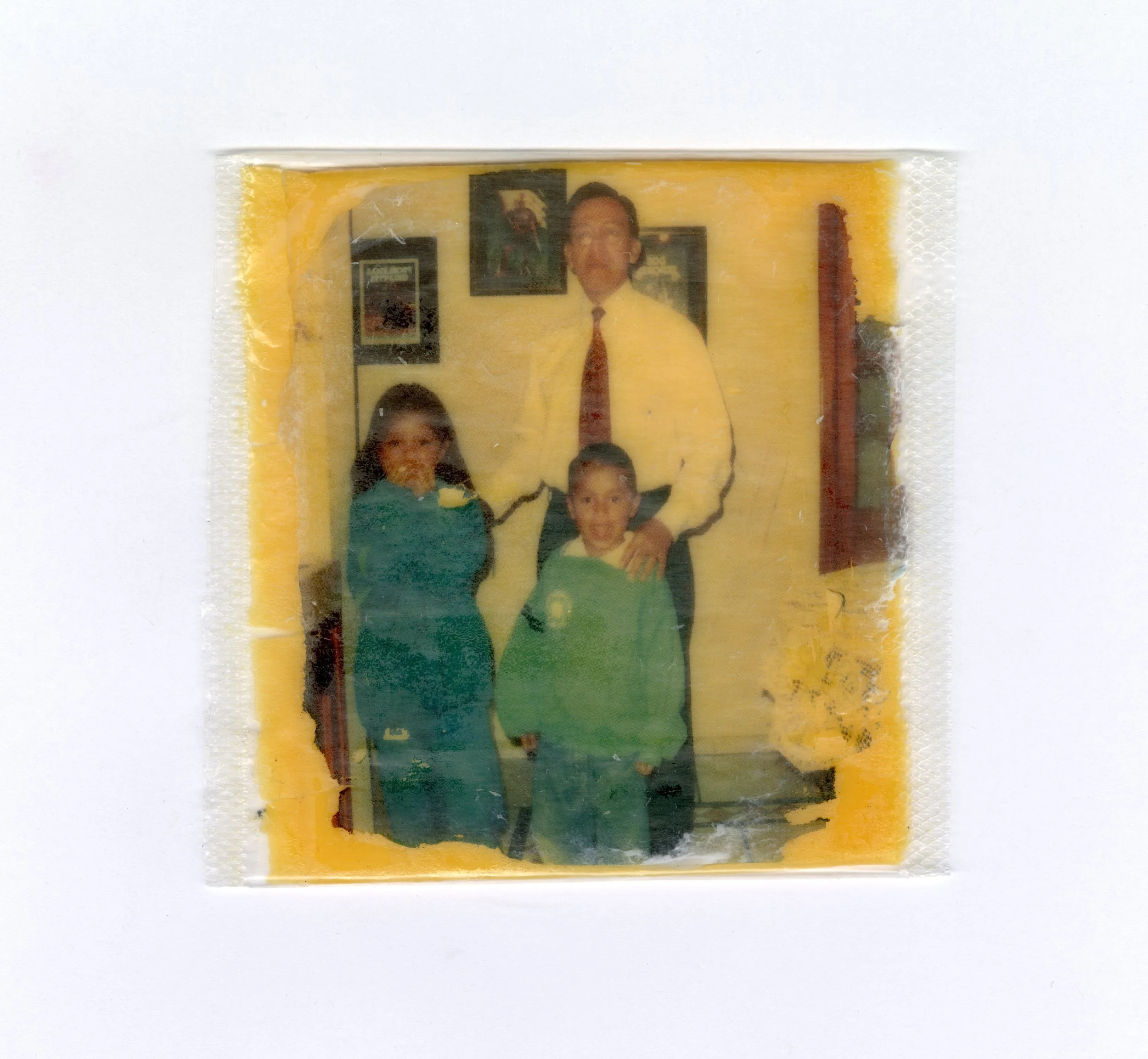
In this week's study, we continue with the Israelites' journey through the wilderness from Sinai to Canaan. The people repeatedly complain of hunger, thirst, and hardship, leading God to provide quail, water, and guidance, but also to discipline them for their lack of gratitude and rebellion. Moses feels the burden of leadership and God appoints elders to share responsibility.
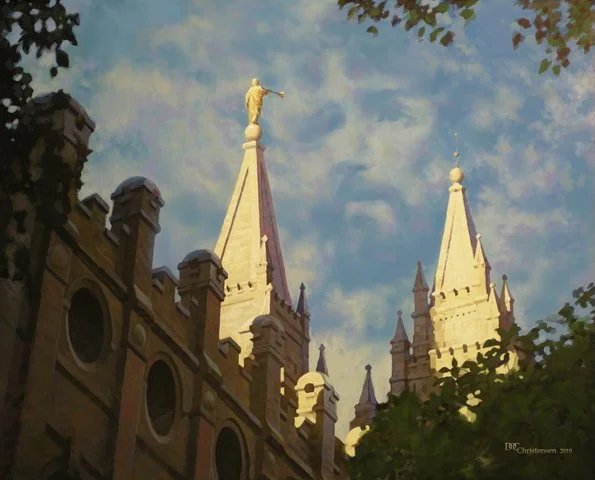
Exodus 35–40 recounts the building and completion of the Tabernacle, showing how the Israelites contributed their skills, materials, and time to obey God’s instructions. Skilled artisans crafted the Ark of the Covenant, the altar, lampstand, priestly garments, and all furnishings exactly as God commanded.
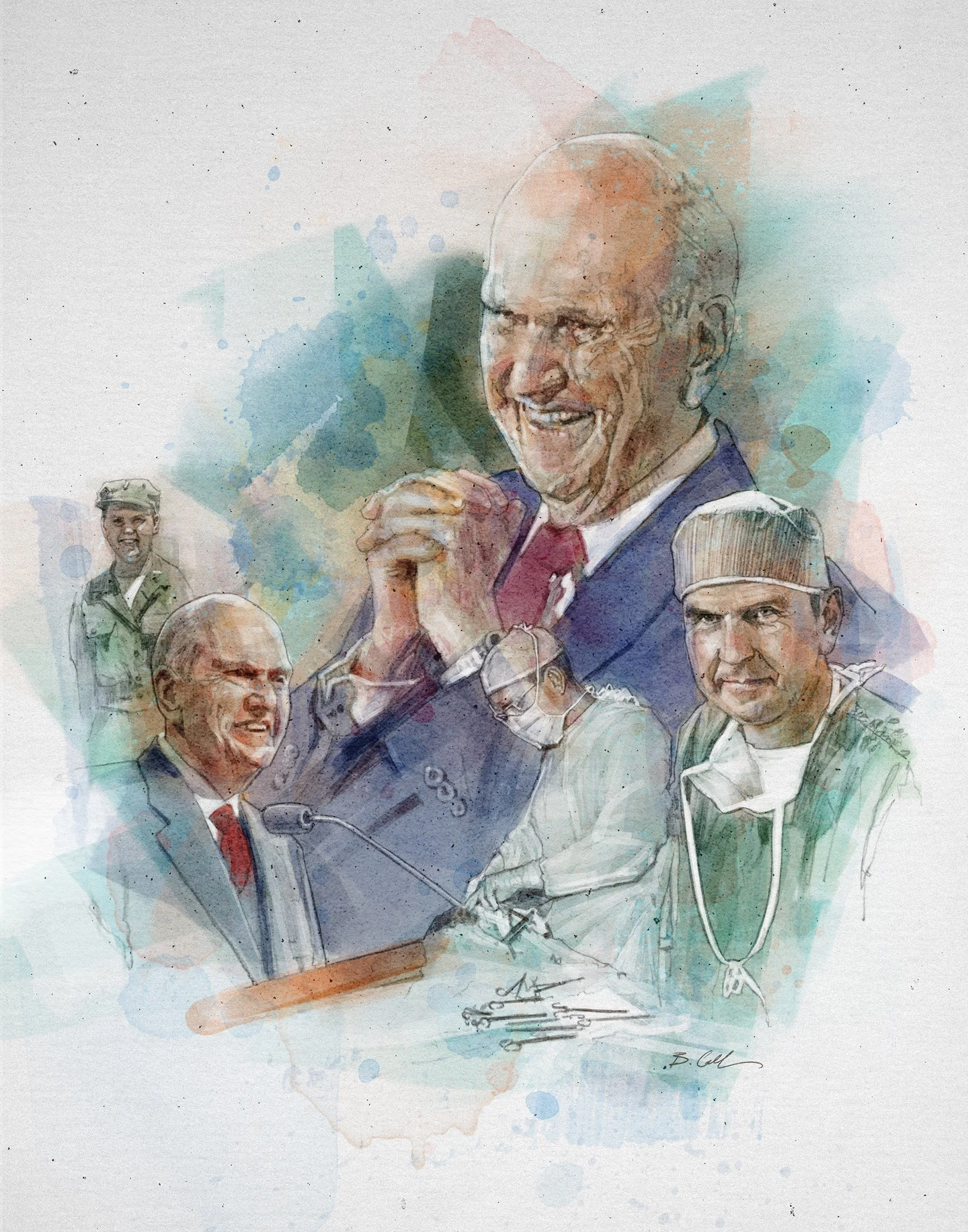
The Israelites arrive at Mount Sinai and establish their covenant relationship with God. After delivering them from Egypt, God calls the people to be a holy nation and prepares them to meet Him amid thunder, fire, and smoke on the mountain.
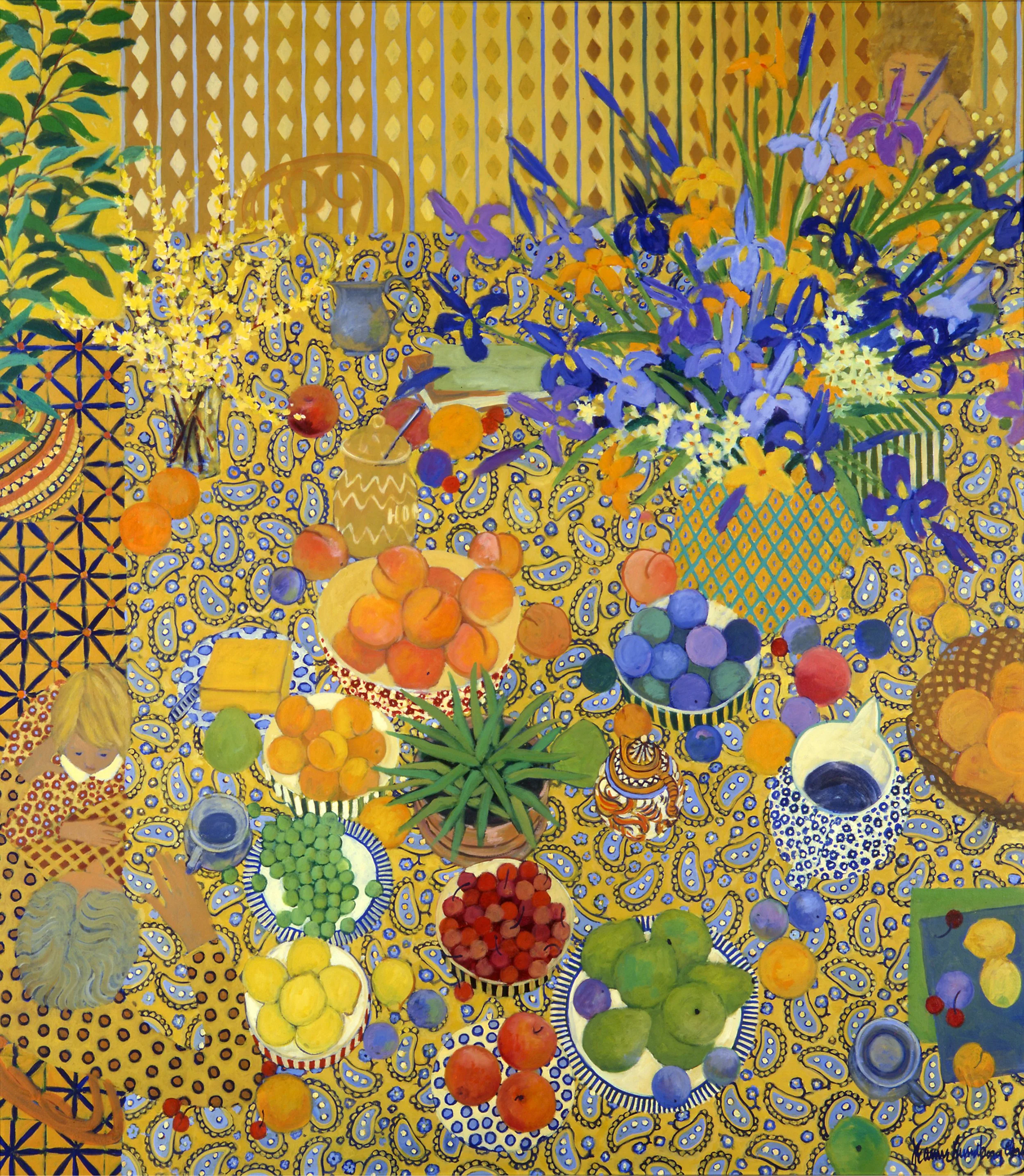
Following Israel's initial deliverance from Egypt, Pharaoh becomes angry and pursues the Israelites. Moses parts the Red Sea, demonstrating that with God we need not fear. Yet in the wilderness, celebration quickly gives way to complaint as the Israelites face thirst, hunger, and fear.
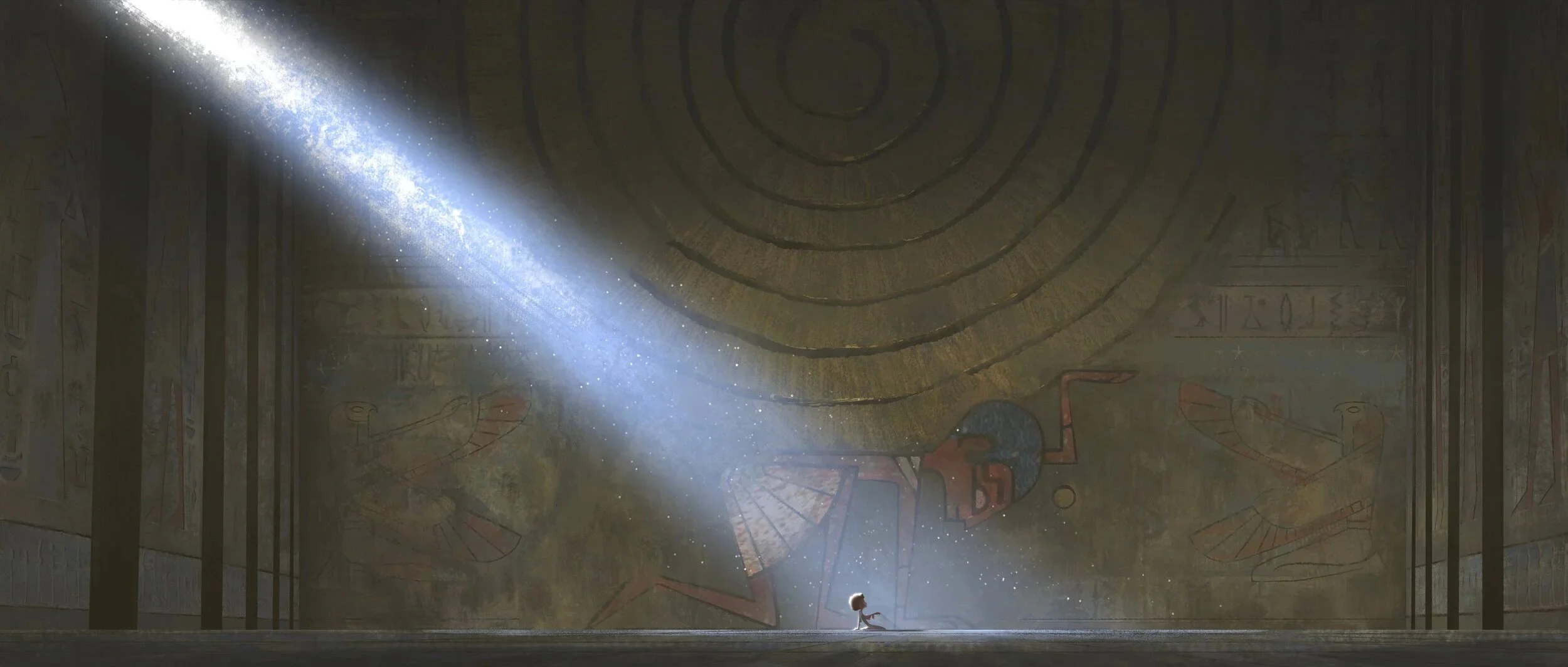
Exodus 7–13 records the confrontation between God and Pharaoh, revealing the Lord’s power over Egypt and its false gods. Through Moses and Aaron, God sends a series of plagues. Each plague intensifies the pressure on pharaoah to release the Israelites. Highlighting the miracles God will do for his people and the hardness of Pharaohs heart.